
blue mirror glass sheets
The Slow Closing Check Valve is a revolutionary hydraulic component designed to optimize fluid control systems. Developed by Storaen (Cangzhou) International Trading Co., this valve combines innovative engineering with practical functionality to address critical challenges in industrial and commercial applications. This article provides an in-depth analysis of its features, technical specifications, applications, and the company's commitment to quality and innovation. Product Overview The 300X Slow-Closing Muffler Check Valve stands out in the market due to its unique design and performance capabilities. Unlike traditional check valves that operate with abrupt closures, this product employs a patented mechanism to control the opening and closing speed of the main valve. This feature not only minimizes the risk of water hammer but also ensures smooth and stable fluid flow, making it ideal for high-pressure environments. The valve's product image showcases its sleek, durable construction, which is engineered to withstand harsh conditions while maintaining optimal performance. Key Features and Advantages Novel Structure: The valve's design incorporates advanced engineering principles to reduce turbulence and resistance, ensuring a large flow capacity. Superior Sealing: High-quality materials and precision manufacturing guarantee a tight seal, preventing leaks and maintaining system integrity. Adjustable Operation: Users can fine-tune the valve's closing speed to match site-specific conditions, enhancing system efficiency. Long Service Life: Durable components and corrosion-resistant materials ensure longevity, reducing maintenance costs and downtime. Water Hammer Mitigation: The slow-closing mechanism effectively dampens pressure surges, protecting downstream equipment from damage. Technical Specifications Parameter Details Model 300X Slow-Closing Muffler Check Valve Material Stainless Steel, Brass, and Cast Iron (depending on application) Pressure Rating Up to 150 psi (10.34 bar) Flow Capacity 100-500 GPM (depending on size) Operating Temperature -20°C to 120°C Connection Type Flanged, Threaded, or Welded Dimensions Varies by model (refer to product manual for specifics) Applications and Industry Use Cases The versatility of the Slow Closing Check Valve makes it suitable for a wide range of industries. Key applications include: Water Supply Systems: Prevents water hammer in municipal and industrial water distribution networks. HVAC Systems: Ensures stable fluid flow in heating, ventilation, and air conditioning systems. Oil and Gas Industry: Controls fluid flow in pipelines, reducing the risk of pressure surges and equipment damage. Manufacturing Processes: Enhances efficiency in hydraulic systems used in production lines and machinery. Power Generation: Protects turbines and pumps from pressure fluctuations in cooling and feedwater systems. According to the National Institute of Standards and Technology (NIST) , "precision in fluid control systems is critical for maintaining operational safety and efficiency in industrial environments" ( NIST, 2025 ). The Slow Closing Check Valve aligns with these standards by providing reliable performance and minimizing system downtime. Company Background: Storaen (Cangzhou) International Trading Co. Founded with a focus on delivering high-quality hydraulic solutions, Storaen (Cangzhou) International Trading Co. has established itself as a trusted supplier of industrial components. The company's commitment to innovation and customer satisfaction is evident in its product offerings, which include a wide range of valves, fittings, and hydraulic systems. With a strong emphasis on research and development, Storaen ensures that its products meet international standards and address the evolving needs of its clients. Storaen's company website highlights its dedication to quality, with certifications such as ISO 9001 and CE compliance. The company's product page provides detailed specifications and technical support, ensuring that customers can make informed decisions. Conclusion The Slow Closing Check Valve by Storaen (Cangzhou) International Trading Co. represents a significant advancement in hydraulic control technology. Its innovative design, coupled with robust performance and adaptability, makes it an essential component for industries reliant on efficient fluid systems. By addressing common challenges such as water hammer and pressure surges, this valve not only enhances operational safety but also extends the lifespan of critical equipment. For more information about the product or to explore other solutions offered by Storaen, visit the Storaen website . Whether you are upgrading existing systems or designing new ones, the Slow Closing Check Valve is a reliable choice that meets the highest standards of quality and performance. References NIST. (2025). "Precision in Industrial Fluid Systems." Retrieved from https://www.nist.gov/
about
blue mirror glass sheets
Industry Trends and the Evolution of Flow Control The global industrial landscape, particularly within the petrochemical, power generation, and water management sectors, is continuously pushing for more efficient, reliable, and sustainable operational practices. A critical component in achieving these objectives is advanced flow control technology. Traditional check valves, while fundamental, often introduce operational challenges such as water hammer, excessive noise, and premature wear, leading to increased maintenance costs and downtime. In response to these demands, the market has seen a significant shift towards specialized solutions. The increasing complexity of pipeline systems, coupled with stringent environmental regulations and safety standards, has spurred innovation in valve design. This evolution has culminated in sophisticated devices engineered to mitigate common issues, with the silencing check valve emerging as a cornerstone technology for modern industrial applications. These valves are designed to offer superior performance in preventing reverse flow while simultaneously addressing critical concerns like pressure surge, noise pollution, and energy efficiency. The demand for such advanced solutions is projected to grow steadily, driven by infrastructure development and the modernization of existing facilities globally. Manufacturing Process of a Silencing Check Valve The production of a high-performance silencing check valve is a meticulous process, combining advanced materials science with precision engineering. Each step is crucial in ensuring the valve's robust functionality, longevity, and adherence to industry-leading standards. Key Manufacturing Stages: 1. Material Selection and Preparation: The foundation of a durable valve lies in its material. Common choices include: Carbon Steel (e.g., ASTM A216 WCB, LCB) for general industrial applications. Stainless Steel (e.g., ASTM A351 CF8, CF8M, CF3M) for corrosion resistance in chemical and marine environments. Duplex and Super Duplex Stainless Steels (e.g., ASTM A890 CD3MN, CD3MWCuN) for highly aggressive media and high-pressure conditions. Special alloys like Hastelloy, Monel, or Inconel for extreme temperature or corrosive services. Raw materials undergo rigorous inspection for chemical composition and mechanical properties. 2. Body and Disc Fabrication (Casting/Forging): Casting: For larger valves or complex geometries, sand casting or investment casting is employed. Molten metal is poured into molds, then cooled and solidified. This process ensures the structural integrity of the valve body and disc. Forging: For smaller sizes or applications requiring exceptional strength and ductility, components may be forged. This process involves shaping metal using localized compressive forces, enhancing its grain structure and mechanical properties. 3. Precision CNC Machining: Post-casting or forging, critical dimensions and intricate features are achieved using Computer Numerical Control (CNC) machining. This includes machining of bore, flange faces, seat pockets, disc guides, and internal components to tight tolerances, ensuring optimal sealing and minimal friction for the disc's movement. Surface finish is vital for long-term performance. 4. Heat Treatment (If Required): Heat treatment processes like annealing, normalizing, or tempering are applied to enhance material properties such as hardness, toughness, and stress resistance, especially for severe service conditions. 5. Assembly: Components such as the valve body, disc, spring, shaft, and seals are carefully assembled in a controlled environment. The spring mechanism, crucial for the "silencing" aspect, is precisely calibrated to ensure rapid, non-slam closure. 6. Rigorous Testing and Quality Control: Every silencing check valve undergoes extensive testing to comply with international standards: Hydrostatic Pressure Test (Shell & Seat): According to API 598 or ISO 5208, to confirm the integrity of the valve body and seating against leakage under specified pressures. Pneumatic Testing: For gas applications or low-leakage requirements. Non-Destructive Testing (NDT): Radiography (RT), Ultrasonic (UT), Magnetic Particle (MT), and Dye Penetrant (PT) inspections ensure freedom from internal defects in castings and welds. Functional Testing: Verifying smooth operation of the disc and spring mechanism. Material Certification: Compliance with ISO 9001, API 6D, ANSI B16.34, CE PED, NACE MR0175 (for sour service). Expected service life: Properly manufactured and maintained, a silencing check valve can deliver reliable performance for 15-30 years, significantly reducing lifecycle costs. 7. Surface Finishing and Packaging: Final cleaning, surface coating (e.g., epoxy paint for corrosion protection), and secure packaging prepare the valve for shipment, preventing damage during transit. A typical Silencing Check Valve ready for installation. Target Industries and Advantages: Target industries benefiting from silencing check valve technology include: Petrochemical and Oil & Gas (onshore/offshore pipelines, refinery units) Power Generation (thermal, nuclear, hydroelectric plants) Water Supply & Drainage (pumping stations, municipal networks) HVAC Systems (large-scale commercial and industrial) Metallurgy and Mining Pulp & Paper, Food & Beverage Key advantages in typical application scenarios include significant energy saving due to reduced pressure drop, superior corrosion resistance through material selection, and critical water hammer prevention, extending the life of pumps and piping systems while reducing operational noise levels. Technical Specifications and Operating Principles The efficacy of a silencing check valve lies in its precisely engineered design, particularly its ability to respond rapidly to flow changes, preventing reverse flow and the resultant water hammer. These valves are often of the axial flow, non-slam design, characterized by a short stroke disc that closes quickly under spring assistance, minimizing the inertial effects of the reversing fluid column. Structural Components: Body: Available in wafer, lug, or flanged configurations, designed for compact installation between flanges. Material selection is critical for media compatibility and pressure/temperature ratings. Disc: Guided to move axially, ensuring precise alignment with the seat. Its low mass and short travel distance enable quick closure. Spring: A crucial element, typically made of corrosion-resistant material (e.g., Inconel, stainless steel). It assists in closing the disc proactively as flow decreases, often before flow reversal occurs, thus "silencing" the valve. Seat: Precision-machined to provide a tight seal with the disc. Soft seats (e.g., PTFE, Viton, EPDM) are used for bubble-tight shut-off, while metal seats offer durability in high-temperature or abrasive applications. Operating Principle: In forward flow conditions, the differential pressure across the disc pushes it open against the spring force, allowing fluid to pass with minimal pressure drop. As flow velocity decreases or if there's an imminent flow reversal, the spring automatically pushes the disc back onto its seat. This swift, controlled closure prevents the column of reversing fluid from gaining significant momentum, thereby eliminating the destructive forces of water hammer and associated noise. The design minimizes turbulence and offers a high flow coefficient (Cv), contributing to energy efficiency. Typical Product Specification Table: Parameter Specification Range Nominal Size (DN/NPS) DN50 (~2 inch) to DN1200 (~48 inch). This includes popular sizes like 2 check valve , 3 check valve , 4 check valve and larger industrial variants. Pressure Rating PN10 to PN420, ANSI Class 150 to Class 2500 Temperature Range -40°C to +400°C (Material Dependent) Body Materials Cast Iron, Ductile Iron, WCB, LCB, CF8, CF8M, Duplex, Super Duplex Trim Materials Stainless Steel 304, 316, 316L, Inconel, Hastelloy Seat Materials Metal-to-Metal, PTFE, Viton, EPDM, NBR End Connections Wafer, Lug, Flanged (RF, RTJ), Butt-Weld Design & Mfg. Standards API 594, API 6D, ANSI B16.34, ASME B16.5, ISO 14313, MSS SP-65 Testing Standards API 598, ISO 5208 Application Scenarios and Technical Advantages The versatility and superior performance of the silencing check valve make it indispensable across a multitude of critical industrial applications where the prevention of reverse flow, mitigation of water hammer, and noise reduction are paramount. Typical Application Scenarios: Pumping Stations: Essential for protecting centrifugal pumps from reverse flow when power fails or pumps shut down. The rapid closure prevents destructive water hammer that can damage impellers, shafts, and piping, particularly in large-scale municipal water supply or sewage treatment facilities. A robust 4 check valve might be deployed in a main line, while a 2 check valve or 3 check valve could be used in smaller auxiliary lines. HVAC Systems: In heating and cooling loops, they prevent recirculation and ensure unidirectional flow, protecting heat exchangers, chillers, and boilers. Their quiet operation is highly valued in commercial and institutional buildings. Oil & Gas Pipelines: Used in compressor discharge lines, gas lift systems, and flow lines to prevent backflow that could damage compressors or lead to dangerous pressure fluctuations. The non-slam feature is critical for the integrity of long-distance pipelines. Power Plants: In boiler feedwater lines, cooling water systems, and condensate return lines, these valves protect pumps and ensure efficient flow, contributing to operational stability and longevity of expensive equipment. Chemical Processing: Handling corrosive or hazardous fluids requires valves that offer reliability and tight shut-off without creating hydraulic shock, which could compromise containment. Technical Advantages: Elimination of Water Hammer: The primary advantage. The spring-assisted, rapid closure mechanism ensures the valve disc seats before significant flow reversal occurs, absorbing hydraulic shock and protecting entire piping systems, pumps, and other inline equipment from damage. This extends the lifespan of assets and significantly reduces maintenance costs. Reduced Noise and Vibration: By preventing slamming, these valves drastically reduce acoustic noise and mechanical vibrations associated with traditional check valves. This creates a safer and more comfortable working environment, especially critical in urban or noise-sensitive areas. Energy Efficiency: Designed with an optimal flow path and low pressure drop (high Cv value), the silencing check valve minimizes energy consumption by pumps, leading to substantial operational cost savings over the valve's service life. Extended System Lifespan: Protection against water hammer and vibration reduces wear and tear on pumps, seals, pipe supports, and other components, leading to a significantly longer operational life for the entire fluid handling system. Compact and Versatile Design: Often available in wafer or lug configurations, they offer a space-saving footprint, simplifying installation and maintenance. Their robust design accommodates a wide range of pressure and temperature ratings. Low Maintenance: With fewer moving parts and a design that mitigates destructive forces, these valves require less frequent inspection and repair compared to traditional alternatives, contributing to lower total cost of ownership. Internal view of a Silencing Check Valve mechanism. Vendor Comparison and Customized Solutions Selecting the right silencing check valve involves more than just matching basic specifications; it requires a thorough understanding of a vendor's capabilities, product quality, and commitment to customized solutions. While many manufacturers offer check valves, the specialized nature of "silencing" demands a focus on engineering expertise and proven performance. Key Differentiators in Vendor Comparison: Feature/Criteria Premium Vendor Offering Standard Vendor Offering Closure Speed & Response Optimized spring design for ultra-fast, non-slam closure even in turbulent flows. Validated by extensive flow loop testing. Standard spring rates, may have slower response, potential for minor surge in critical applications. Pressure Drop (Energy Efficiency) Aerodynamically designed disc and body for minimal pressure loss, resulting in superior Cv values and energy savings. Standard designs, acceptable pressure drop but not optimized for peak efficiency. Material Versatility & Certifications Wide range of exotics (Duplex, Super Duplex, Hastelloy, Monel); extensive certifications (API 6D, ISO 9001, CE PED, NACE MR0175, Fugitive Emissions ISO 15848-1). Common materials (WCB, CF8M); standard certifications (API 598, ISO 9001). Customization Capability Deep engineering support for bespoke designs, special coatings, end connections, actuator interfaces, flow-tuning. Limited customization, primarily standard configurations. After-Sales Support & Warranty Comprehensive technical support, long-term warranty, spare parts availability, on-site service. Basic support, standard warranty, parts may have longer lead times. Customized Solutions for Unique Challenges: Many industrial applications present unique challenges that standard off-the-shelf valves cannot adequately address. Leading manufacturers recognize this and offer robust capabilities for customized silence check valve solutions. This ensures optimal performance, reliability, and cost-effectiveness for specific project requirements. Material Customization: Tailoring valve body, disc, and trim materials to withstand highly corrosive fluids, extreme temperatures, or abrasive slurries, including specialized elastomers for unique sealing requirements. End Connection Variants: Beyond standard flanged, wafer, or lug types, custom solutions might include butt-weld ends for high-pressure systems, or specific proprietary connections to integrate seamlessly into existing infrastructure. Spring Calibration: Fine-tuning the spring force to optimize closure response for specific flow conditions, critical in systems with very low flow rates or exceptionally high-pressure surges. This ensures the valve operates as an effective silence check valve in challenging environments. Special Coatings and Linings: Applying internal or external coatings (e.g., PTFE lining, hard chrome plating, ceramic coatings) to enhance corrosion resistance, wear resistance, or reduce friction in specific fluid services. Monitoring and Instrumentation: Integrating features like position indicators, limit switches, or specialized sensors for remote monitoring and control, allowing for predictive maintenance and real-time operational insights. Certifications and Compliance: Ensuring valves meet specific project or country-specific certifications, such as ATEX for explosive environments, or specific national standards beyond general international ones. By collaborating with a vendor capable of delivering such tailored solutions, clients can ensure their flow control systems are not only efficient but also precisely aligned with their unique operational demands, enhancing safety, reducing risks, and optimizing long-term performance. Application Case Studies Real-world implementations highlight the tangible benefits of deploying silencing check valve technology. These case studies demonstrate how targeted engineering solutions address critical operational challenges across diverse industries. Case Study 1: Municipal Water Pumping Station Upgrade Client: Major City Water Utility, North America. Problem: A critical municipal pumping station, responsible for distributing potable water to over 500,000 residents, suffered from severe water hammer issues upon pump trip or shutdown. The existing swing check valves were slow to close, causing pressure surges exceeding design limits of the ductile iron piping network. This led to frequent pipe joint failures, pump cavitation, high noise levels (over 90 dB), and unscheduled maintenance, costing the utility approximately $150,000 annually in repairs and lost service hours. Solution: The utility replaced 12 existing 24-inch swing check valves with custom-engineered 24-inch wafer-style silencing check valve units. These valves featured an axial flow, spring-assisted, non-slam design with a resilient seat, specifically calibrated for the system's flow dynamics and pressure profile. Results: Water Hammer Elimination: Peak pressure surges were reduced by over 95%, completely eliminating water hammer events. Noise Reduction: Operational noise levels decreased from 90 dB to below 65 dB, significantly improving working conditions. Maintenance Savings: Annual maintenance costs related to pipeline and pump repairs dropped by 85%. Extended Equipment Life: Projected increase in pump and pipeline asset life by an estimated 30%. Case Study 2: Petrochemical Refinery Compressor Protection Client: International Petrochemical Company, Middle East. Problem: A large ethylene cracker facility experienced recurrent damage to its critical turbocompressors due to gas backflow and pressure oscillations from conventional check valves during emergency shutdowns. The high-velocity gas lines (DN300, PN100) and the nature of the medium (hydrocarbon gas) demanded an extremely fast and reliable non-slam solution to protect multi-million dollar compressor units. Existing valves contributed to unacceptable vibration levels and reduced Mean Time Between Failures (MTBF) for the compressors. Solution: High-performance, flanged silencing check valve units (DN300) constructed from Duplex Stainless Steel (ASTM A890 CD3MN) with Inconel springs and metal-to-metal seating were installed on the compressor discharge lines. These valves were engineered for critical high-pressure, high-velocity gas service and NACE MR0175 compliance for sour gas resistance. Results: Compressor Protection: Complete elimination of backflow-induced compressor damage and pressure surges. Increased Reliability: MTBF for compressors significantly improved, reducing unscheduled downtime by an estimated 200 operational hours per year. Vibration Reduction: System vibration levels dropped by 40%, enhancing equipment longevity and operational safety. Operational Savings: Annual savings from reduced repairs and increased uptime exceeded $500,000. Frequently Asked Questions (FAQ) Q: What is the primary difference between a conventional check valve and a silencing check valve ? A: The main difference lies in their closure mechanism and speed. Conventional check valves (like swing or lift check valves) rely solely on gravity or reverse flow to close, which can be slow, leading to water hammer. A silencing check valve incorporates a spring-assisted, guided disc design that enables rapid, non-slam closure as forward flow diminishes, preventing reverse flow accumulation and thereby eliminating water hammer and associated noise. Q: How does a silencing check valve prevent water hammer? A: Water hammer occurs when a column of fluid reverses direction rapidly and slams against a closed valve. A silencing check valve uses a powerful spring to close its disc quickly and smoothly, often before the fluid column can fully reverse. This minimizes the momentum of the reversing fluid, distributing the pressure change over a longer time and effectively dissipating the energy that causes water hammer. Q: Can these valves be installed in any orientation? A: Most silencing check valve designs, particularly wafer and lug types with a spring, are designed for versatile installation and can typically be installed in horizontal, vertical (upward flow), or inclined pipelines. Always refer to the manufacturer's specific installation guidelines for optimal performance, as some larger or specialized valves might have preferred orientations. Q: What is the typical service life of a silencing check valve ? A: With proper material selection for the application, correct installation, and minimal maintenance, a high-quality silencing check valve can have a service life of 15 to 30 years or more. Factors such as fluid abrasiveness, operating temperature and pressure cycles, and frequency of closure events will influence its longevity. Lead Time, Warranty, and Customer Support Understanding logistical and post-purchase support aspects is crucial for B2B procurement. Reputable manufacturers of silencing check valve solutions prioritize transparency and reliability in these areas. Lead Time & Fulfillment: Standard models and common sizes (e.g., 2 check valve , 3 check valve , 4 check valve ) are often available from stock or have a lead time of 2-4 weeks. Larger sizes, specialized materials, or highly customized configurations may require 6-12 weeks or more, depending on the complexity of manufacturing and material sourcing. Manufacturers typically provide clear lead time estimates upon quotation, with options for expedited delivery for urgent projects. Warranty Commitments: High-quality silencing check valve products typically come with a standard warranty of 12-18 months from the date of installation or 24 months from the date of shipment, whichever comes first. This warranty covers manufacturing defects and material failures under normal operating conditions. Extended warranty options may be available for critical applications or large projects, reflecting the manufacturer's confidence in product durability and performance. Customer Support & After-Sales Service: Comprehensive customer support is integral to ensuring long-term satisfaction and operational efficiency. This typically includes: Technical Assistance: Access to experienced engineers for pre-sales consultation, sizing, selection, and post-sales troubleshooting. Spare Parts Availability: Readily available spare parts, including springs, discs, and seals, to facilitate maintenance and repairs. Installation & Maintenance Guides: Detailed documentation for correct installation, operation, and routine maintenance procedures. On-site Support: For large or complex projects, some vendors offer on-site supervision for installation, commissioning, or specialized training. Choosing a vendor with robust support infrastructure ensures that any challenges encountered can be promptly and effectively addressed, minimizing downtime and maximizing the return on investment for your silencing check valve installations. References American Petroleum Institute (API) Standard 598: Valve Inspection and Testing. International Organization for Standardization (ISO) 9001: Quality Management Systems – Requirements. American Society of Mechanical Engineers (ASME) B16.34: Valves—Flanged, Threaded, and Welding End. NACE International Standard MR0175/ISO 15156: Petroleum and natural gas industries—Materials for use in H₂S-containing environments in oil and gas production. European Pressure Equipment Directive (PED) 2014/68/EU.
-

High quality industrial productsagement

High quality industrial products
View Details -

Meet the diverse needs of customers

Meet the diverse needs of customers
View Details -

Strict quality control

Strict quality control
View Details -

Top raw materials

Top raw materials
View Details -

Trusted supplier

Trusted supplier
View Details
Our application


news and information
Y Type Strainer Function
In the world of fluid mechanics and piping systems, maintaining the efficiency and longevity of equi
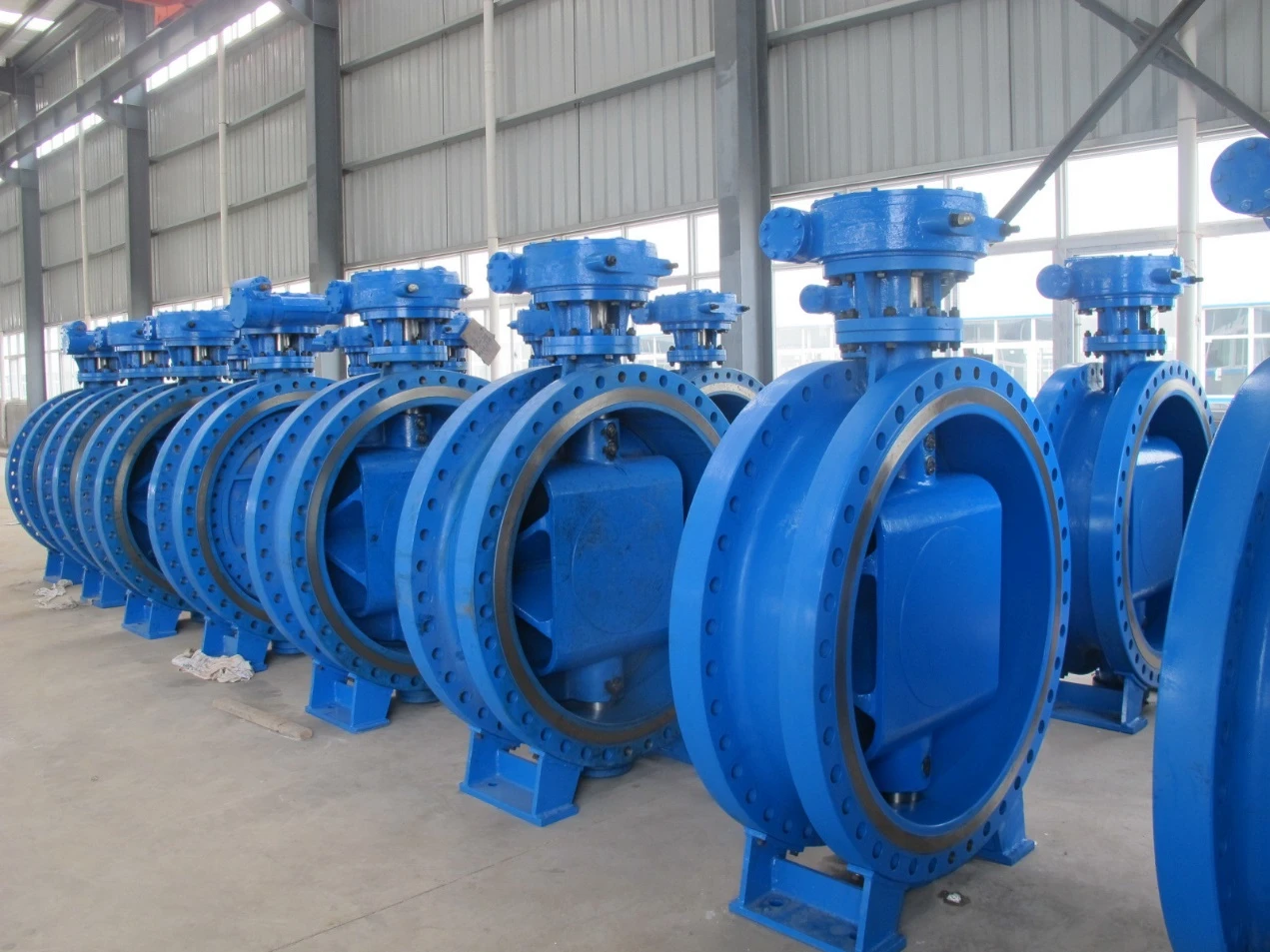
Water Pressure Control Valve for Efficient Regulation and System Protection
Understanding Water Pressure Reduction Valves Water pressure reduction valves (PRVs) are essential c
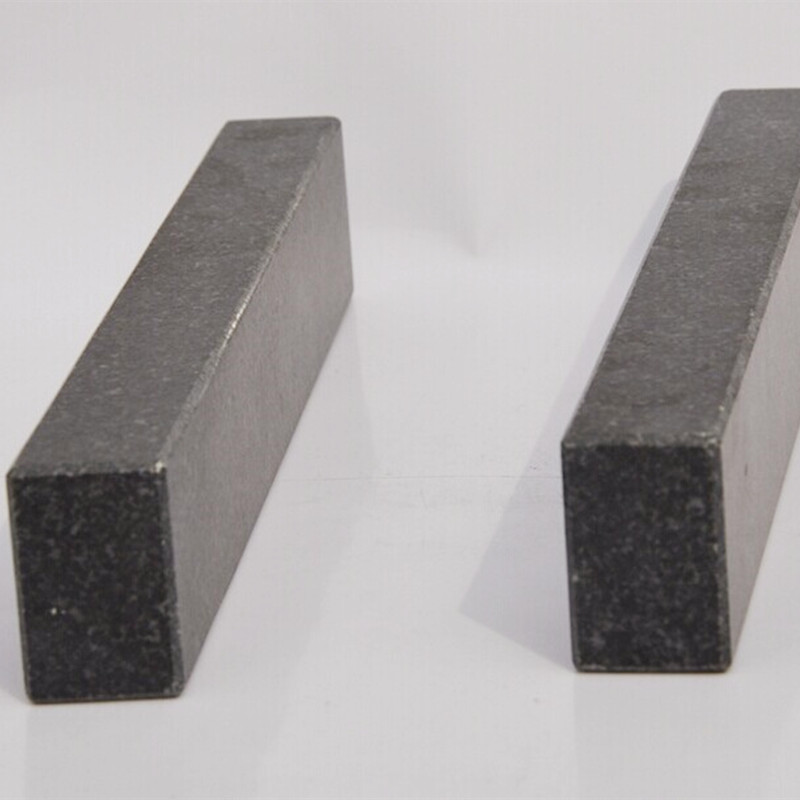
Válvula borboleta 250mm
Válvula Borboleta de 250mm Eficiência e Versatilidade em Sistemas de Fluídos As válvulas borboleta t
 English